
Why Restaurant Kitchens Are the Next Frontier for Robotics
Hayden Clay
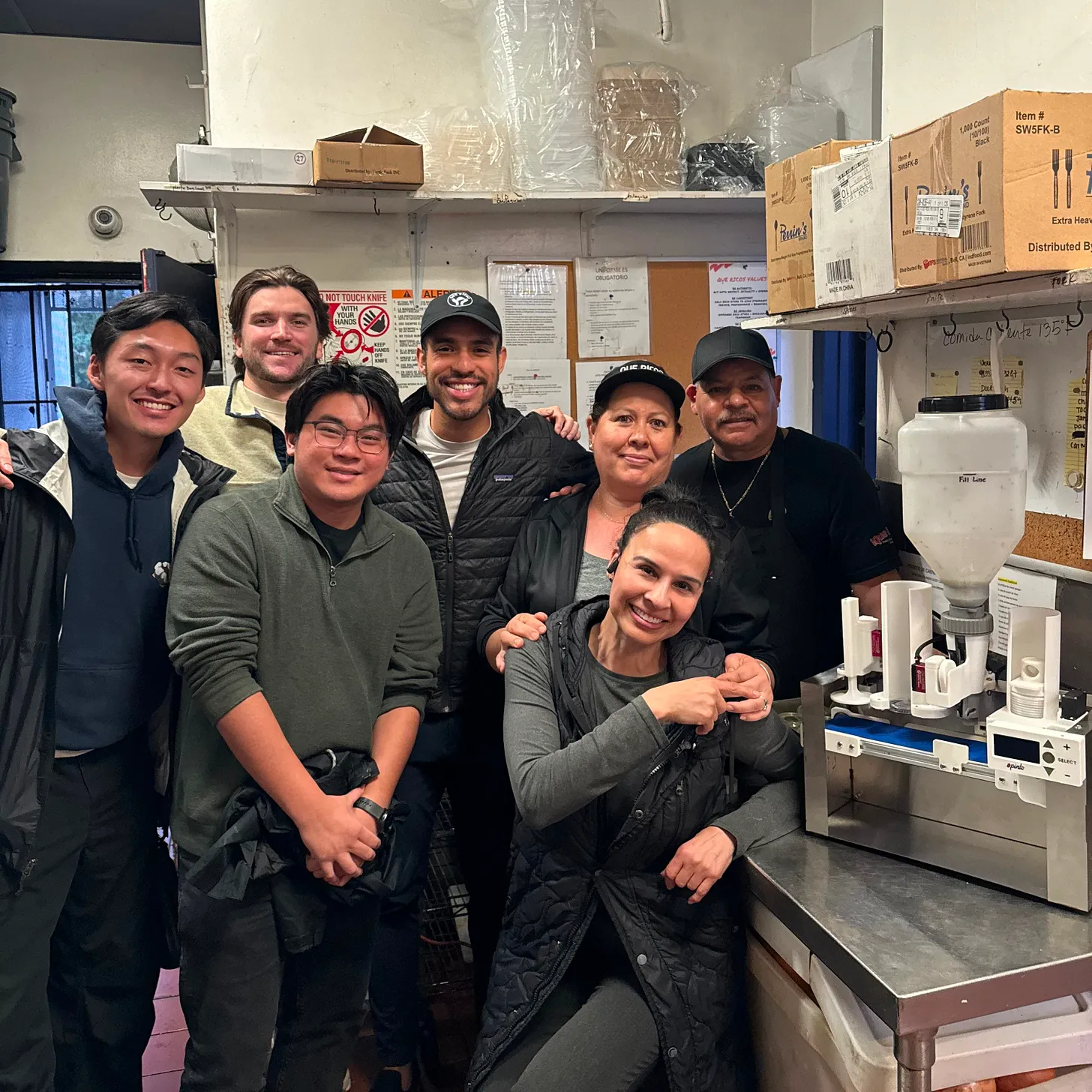
Why Restaurant Kitchens Are the Next Frontier for Robotics
One of the most operationally complex environments has only recently begun adopting robotics: the restaurant kitchen.
Labor shortages, rising wages, and the rapid growth of takeout and delivery have fundamentally changed how restaurants operate. Kitchens are now responsible for packaging more orders than ever before while maintaining speed and consistency during peak service hours.
These pressures are creating a growing opportunity for automation.
A recent Substack article explores this shift through an interview with Pinto Robotics CEO, Gustavo Castillo, discussing how the robotics technology he was exposed to in the autonomous vehicle industry is now being applied to challenges inside restaurant kitchens. You can read the full interview here:
https://killada.substack.com
The Changing Economics of Restaurant Operations
Over the past decade, restaurants have seen a major shift toward off-premise dining. In many markets, takeout and delivery orders now represent the majority of transactions.
While this trend has increased revenue opportunities, it has also introduced new operational complexity. Packaging orders requires significant manual work, from portioning sauces and sides to assembling and sealing containers.
Many of these tasks are extremely repetitive and can happen thousands of times per day in busy restaurants.
For operators, this creates a constant balancing act between labor availability, speed of service, and operational consistency.
Why Automation Works Best When It Starts Small
When people imagine robotics in restaurants, they often picture fully automated kitchens. In reality, most successful automation begins with something much simpler.
Instead of replacing entire kitchen workflows, Pinto is focusing on specific, high-frequency tasks that create bottlenecks.
One emerging category is the countertop robot, compact systems designed to sit directly in the kitchen and automate repetitive prep tasks. Unlike large industrial equipment, these robots typically require minimal installation and are designed to work alongside staff within existing workflows.
This incremental approach allows restaurants to adopt automation without redesigning their kitchens. Small improvements to repetitive processes can have a meaningful impact on efficiency, labor utilization, and consistency.
The Future of Back-of-House Automation
Restaurant robotics is still early, but adoption is accelerating.
Labor challenges, rising operational costs, and advances in robotics technology are pushing the industry toward practical automation solutions. The most effective systems will focus on solving real operational problems while fitting seamlessly into existing kitchens.
The Substack interview with Pinto Robotics CEO Gustavo Castillo explores these themes in more depth, including how lessons from autonomous vehicle development are shaping a new generation of robotics built specifically for restaurant environments.
You can read the full interview here:
https://killada.substack.com